Does Vehicle Solar Work in Winter?
Yes. Winter is the toughest test for solar performance, but we are confident in our technology! Our vehicle solar panels continue to generate energy during winter because our photovoltaic technology uses daylight, rather than direct sunshine, to generate electricity.
Solar generation will be lower during the winter months because days are shorter and the amount of available solar energy is reduced. However, that does not mean a solar system stops making a useful contribution.
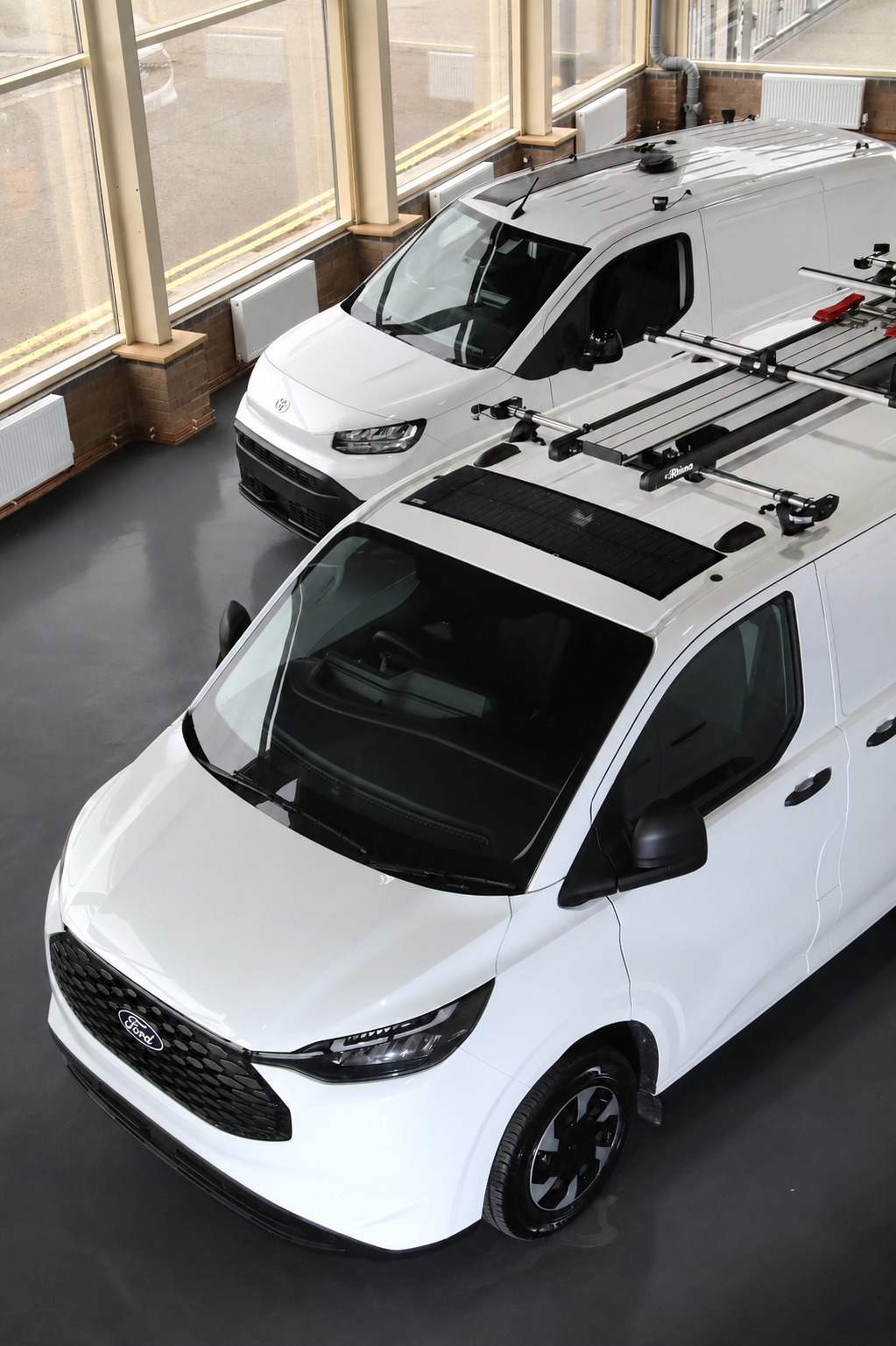
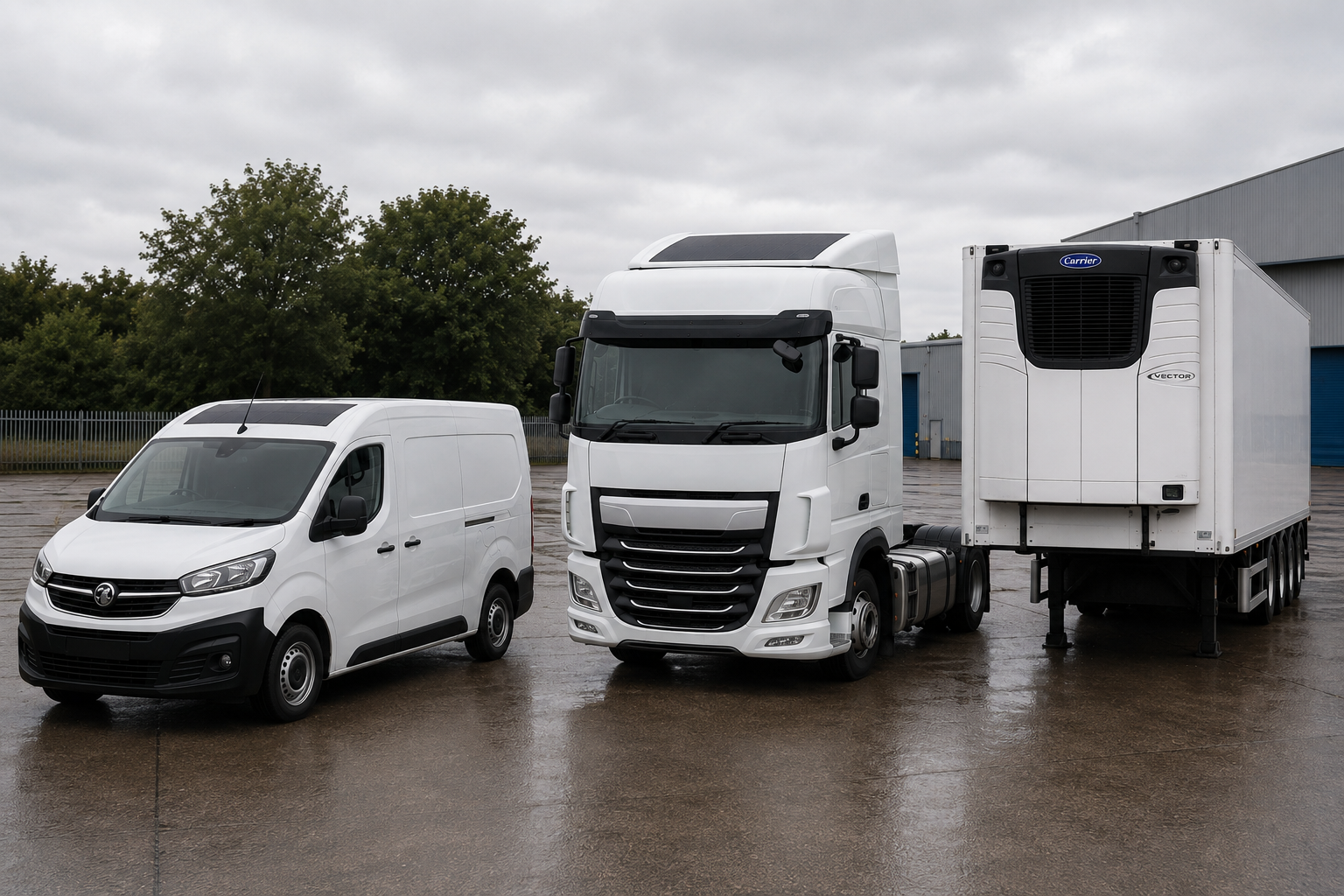
Genie Insights has now supplied more than 16,000 commercial vehicle solar systems. Thousands are installed on working vehicles across the UK and beyond, with systems that have already operated through multiple winters. Some systems even have over 6 years in service.
Why Can Solar Still Be Useful During Winter?
Maintaining a healthy 12V or 24V battery becomes more challenging in winter.
Lower temperatures affect lead acid battery performance, while electrical equipment such as telematics, trackers, cameras and monitoring systems can continue drawing power when a vehicle is parked.
Periods of inactivity can add to the problem, particularly over weekends and holiday periods when vehicles may remain stationary for several days.
Vehicle-integrated solar generates energy during daylight hours and feeds it into the vehicle battery through a charge controller. This can offset some of these ongoing electrical loads and reduce periods of undercharging.
Genie Insights uses CIGS solar technology, which is manufactured in the UK by MIPV. CIGS can generate energy in low and variable light conditions. Our vehicle panels are also configured to minimise the effect of partial shading, allowing unaffected sections of the panel to continue generating when part of the panel is obstructed. You can read more here about how CIGS solar panels perform in low light conditions.
Is Winter a Good Time to Trial Vehicle Solar?
Winter can actually be one of the best times to run a fleet solar trial.
Rather than assessing the technology when daylight is plentiful, fleets can monitor its contribution during shorter days and lower-light conditions, when battery performance may also be under greater pressure. It’s fair to say, if solar can work in winter conditions, then it will definitely work throughout the other seasons.
A winter trial can measure solar generation alongside battery condition, vehicle usage, periods of inactivity and electrical loads. This gives a fleet evidence from its own vehicles and operating conditions before considering a wider installation.
If you’re considering vehicle-integrated solar, talk to Genie Insights about putting it to the test this winter.